

As the main and legally binding document between a landlord and a tenant, a rental agreement is one of the most essential parts of the rental process. It clearly outlines the rights and responsibilities of both parties, helping to protect everyone involved.
While many lease samples can be found online, learning how to create one from scratch and tailor it to your property’s unique needs is important. A well-drafted rental agreement not only sets clear expectations but also helps avoid misunderstandings or legal disputes in the future.
In this guide, we’ll walk you through all the essential components that must be included in a rental agreement form.
Purpose of a Lease
While verbal agreements might seem quicker and easier, they hold very little legal weight. If a problem arises with a tenant, it becomes extremely difficult to prove the terms of a verbal agreement in court. This makes it easier for tenants to take advantage of the situation.
A signed rental agreement, on the other hand, is the safest and most legally recognized form of protection. Having a detailed and clear document ensures that both parties are covered if any disputes or unexpected situations occur later on.
Tips Before Creating a Rental Agreement
Before you start drafting your rental agreement, keep the following tips in mind:
- Review sample rental agreements to understand the basic structure.
- Avoid using complex legal language. Keep the terms clear and easy to understand.
- Use headers and subheadings to make the document easy to navigate.
- Review local and state laws to make sure your lease complies with legal requirements.
- Create a general lease template that you can customize for different properties or tenants.
- Once you finish writing the agreement, have it reviewed by a legal professional to ensure full compliance with the law.
Parts of the Rental Agreement
A strong rental agreement includes several important sections. Below are the main parts you should include:
1. Title and Format Your Document
Start your lease by placing the title “Lease Agreement” at the top and center of the first page in bold letters. Use headers to organize each section clearly, so tenants can quickly find specific details.
Common headers you can use include:
- Leased Property
- Term
- Rent
- Utilities
- Security Deposit
- Occupancy
- Rights and Responsibilities of the Tenant
- Rights and Responsibilities of the Landlord
- Required Disclosures
- Lease Termination
This structure helps make your document clear, professional, and easy to follow.
2. List Your Rental Agreement Provisions
Make sure you include all the essential terms and conditions. Label and organize them under the appropriate headers so the document is structured and easy to understand.
3. Detail Each Clause in the Document
Once you’ve listed the provisions, provide detailed information under each clause. Specific details help guide tenants and make your expectations clear.
Leased Property
This section identifies the property being rented. Include details such as:
- Full property address
- Property description
- Shared or common areas
- Zoning type
- Full name and contact information of the tenant
- Full name and contact information of the landlord
Term
Specify the length of the rental period and include exact start and end dates of the lease.
Rent Amount
State the monthly rent, due date, and any grace period allowed for late payments. Also, outline acceptable payment methods (e.g., bank transfer, check, online payment).
Utilities
Clarify who is responsible for paying specific utility bills. This could vary depending on whether tenants share spaces or if costs are divided between the landlord and tenant.
4. Importance of Signature
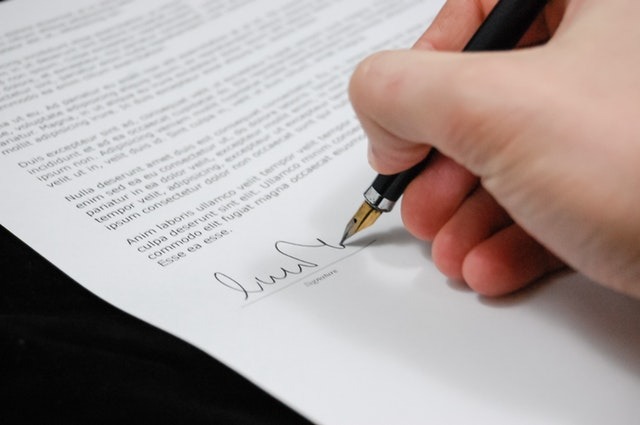
To make the rental agreement legally binding, it must be signed by all parties. Both the landlord and all tenants should sign and date the document.
5. Addendums
You can add optional sections, called addendums, to cover additional terms and conditions.
Examples include:
- Pet Fees: Explains whether pets are allowed, any restrictions, fees, or penalties for damage.
- Abandonment: Outlines penalties and legal consequences if tenants leave the property without notice.
- Termination on Sale of Property: Explains what happens if the landlord sells the property during the lease term.
Conclusion
Creating a rental agreement might seem complicated, but having a structured guide makes the process much easier. Dividing the agreement into clear sections, using simple language, and detailing each clause ensures that both you and your tenants fully understand your rights and responsibilities. A carefully written lease not only protects your property but also builds a professional and transparent relationship with your tenants.
Before finalizing the agreement, always check your local rental laws to make sure the document complies with all legal requirements. Once completed, review and update your lease regularly to reflect any changes in laws, property conditions, or rental policies. A strong rental agreement sets the foundation for a successful and stress-free rental experience for both landlords and tenants.
