

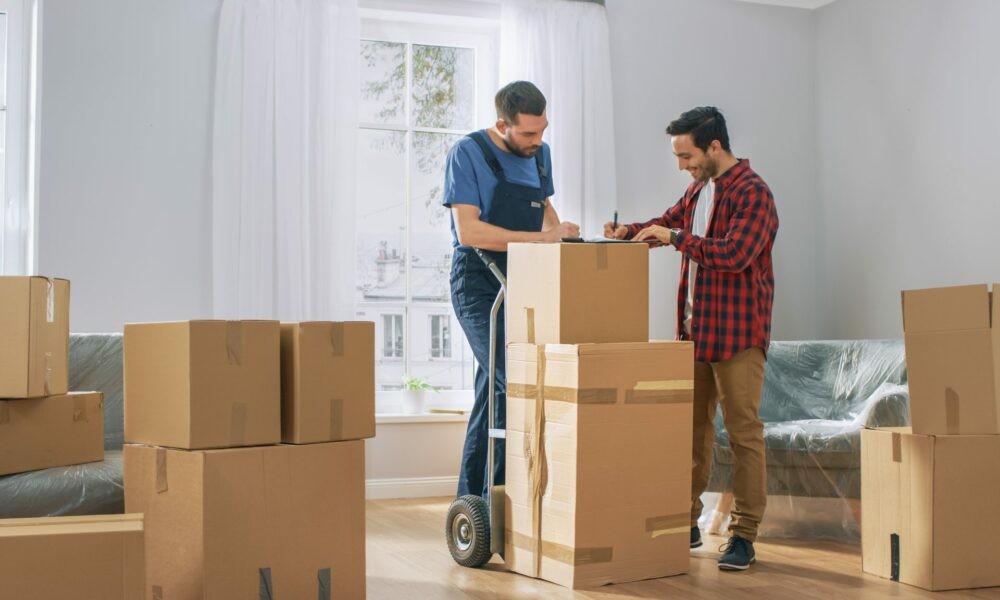
During winter, icy paths, cold air, and short days slow down moves. With a good plan, you won’t just avoid stress. You will also stay safe.
A good winter move starts before even the first boxes reach the moving truck. Experts at Ramar Transportation suggest that people need to check weather changes and clear walkways. This helps when loading takes longer. Here are tips that can help when moving during winter:
Plan around Weather and Daylight
Days are short during winter. Therefore, you might want to plan early. For instance, you can load heavy furniture during the day. This is crucial, especially when ramps or stairs are involved. Good visibility will help you spot uneven ground and ice.
Severally, check the weather forecast during your moving week. Consider looking for overnight freezing, wind, sleet, and freezing rain. If there is a storm coming, have a backup date open.
Prepare Both Homes before Moving Day
Your new home and old house both require safe paths. So, clear enough space and salt the walkway for movers to carry large things. Remember to recheck the path since packed snow may become slicker after foot traffic.
Always protect the inside of every room from grit and slush. Also, ensure towels are placed by every entry so that wet furniture legs and boots don’t spread moisture.
Build a Winter Moving Kit
Winter moving kits help to save time when dealing with minor issues. Instead of putting your kit in a moving truck, keep it in your own car. This way, it will be within your reach.
Choose a clear bin or bright bag since winter light often makes things difficult to find. In your kit, include the following things:
- A flashlight for dark corners.
- A trash bag for cleanup and wet shoes.
- Grip gloves for carrying some cold boxes.
- Phone chargers, water, and snacks.
- Towels to deal with damp floors.
- A broom, ice melt, and a shovel.
- Hand warmers for a long loading stop.
Protect Cold-Sensitive Items
Some things are sensitive to cold. Instruments, glass, plants, electronics, candles, and mirrors may fail, warp, or crack after a quick temperature change. So, wrap these things properly, load them quickly, and keep them away from the open air.
For delicate things, let them warm up slowly after your arrival. Avoid plugging your electronics immediately if they were in a cold moving truck. Moisture may form inside those electronics as they adjust. Therefore, first let those electronics reach room temperature.
Dress for Safety and Energy
Wear gloves and winter boots during your move. Avoid wearing long coats and loose scarves that may catch on furniture corners or railings.
Have dry backup clothes just nearby. You might need them in the middle of the day.
In conclusion, relocating during winter requires patience. However, things may still go as planned. To do that, don’t just consider clearing walkways and wearing warm clothes. Consider being flexible and smart packing, too. The key goal is to ensure everything goes smoothly during winter. Remember to start early and always prioritize your safety.
