

Laundry operations happen in homes and businesses everywhere. People use dryers daily to dry wet clothes quickly. Yet, many individuals overlook the essential maintenance of these systems. Proper care remains necessary for efficiency and safety. Homeowners and business operators face different challenges with their laundry setups. The scale of the work alters the requirements significantly. Understanding these distinctions helps people maintain safe properties. This article explores the vital contrasts between commercial and residential dryer care.
The Scale and Design of the Exhaust Systems
Residential systems typically use shorter pipes for airflow. These pipes usually run directly to an outside wall. Sometimes, the airflow path travels through a short attic space. The simple design keeps the air moving fast. Now, commercial properties present a much more complex setup. Hotels and laundromats operate massive machines with long ducts. These complex systems often wind through multiple floors. Boost fans become necessary to push the damp air out. Therefore, commercial dryer vents require highly specialized knowledge for proper cleaning. Massive buildup occurs quickly inside these long and winding pipes. Technicians must use heavy equipment to reach every deep bend.
Safety Risks and Fire Hazards in Different Settings
Lint accumulates rapidly inside every active exhaust pipe. This fuzzy material catches fire very easily from heat. In residential settings, a single family creates moderate lint. The fire risk grows slowly over many months of use. But commercial facilities run multiple large machines continuously. Huge piles of lint accumulate within a few days. The high heat creates an immediate fire hazard. So, a small spark can trigger a massive blaze instantly. Commercial fires threaten many lives and cause severe financial ruin. Regular inspection protects people and guards’ expensive business property.
Legal Compliance and Strict Building Regulations
Homeowners enjoy freedom regarding their appliance maintenance schedules. No law forces a resident to clean their pipes. However, wise homeowners schedule yearly cleanings for peace of mind. Commercial operations must follow strict local building codes instead. Fire marshals inspect business properties regularly for safety compliance. Insurance companies also demand proof of professional maintenance work. Failure to comply leads to heavy fines or closure. Thus, business owners keep detailed logs of every cleaning visit. Professional technicians provide the official documentation required by law.
Maintenance Frequency and Professional Cleaning Methods
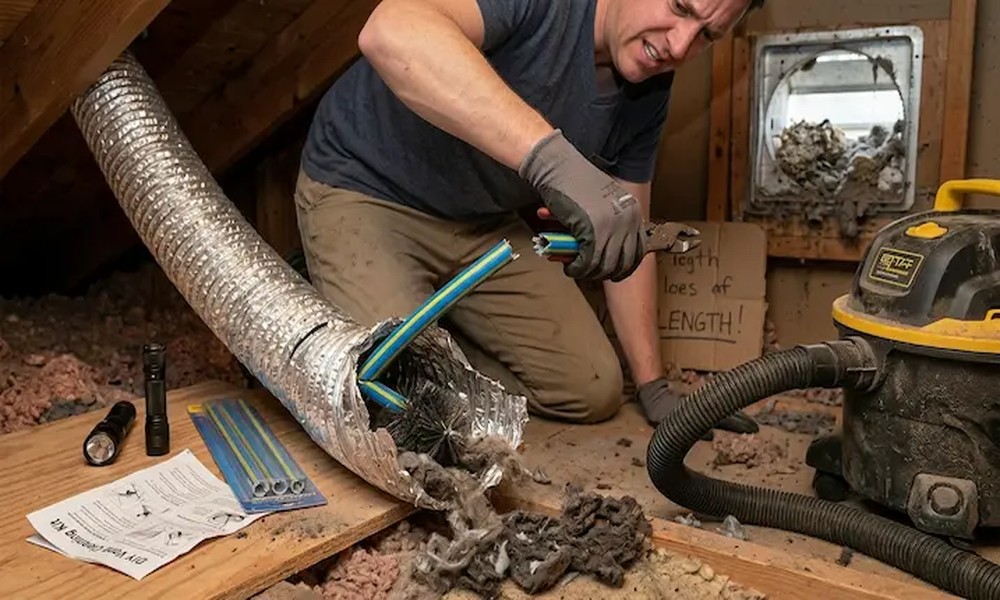
A typical home requires professional attention once per year. This frequency keeps the single family safe from lint buildup. Technicians use flexible rods and high-powered vacuum units. They clean the short path quickly and without disruption. On the other hand, busy commercial venues need frequent service. Some busy facilities clean their systems every three months. Specialists utilize industrial cameras to inspect the hidden internal spaces. They use powerful compressed air tools to dislodge packed debris.
Conclusion
Safety and efficiency depend heavily on clean exhaust systems. Residential setups require simple care to protect single families. Commercial operations demand rigorous maintenance due to heavy daily usage. Strict laws force businesses to maintain clear airflow pathways. Property owners must understand their specific regulatory and physical needs. Investing in professional care prevents dangerous fires and saves money. Clear communication with certified technicians keeps every laundry operation running smoothly.
