

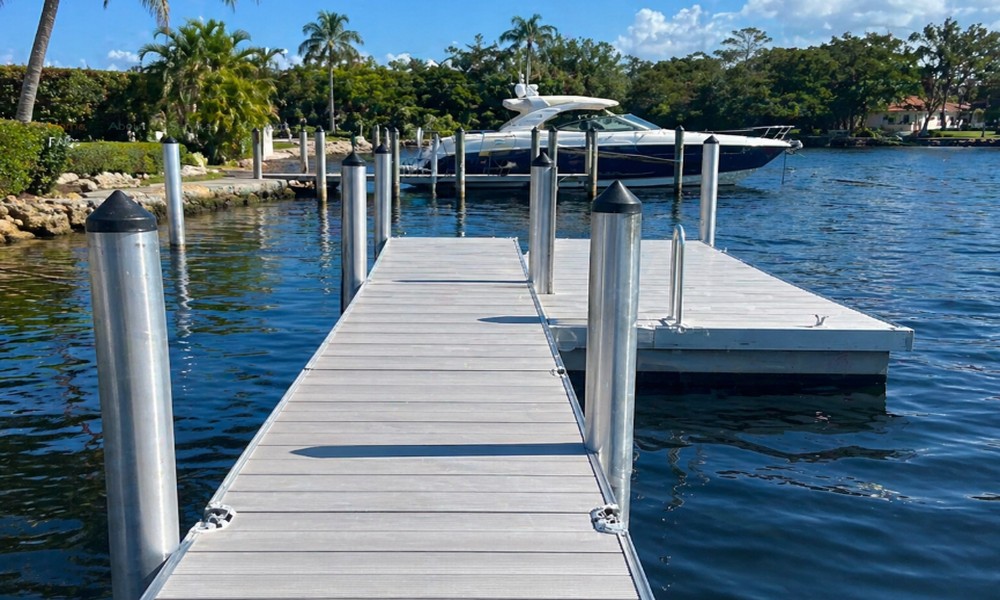
Building a dock sounds exciting at first. You picture the water, the boat, the view, and maybe a nice place to sit at the end of the day. But before any part of the dock touches the water, there are a few important things to think about.
A floating dock is not just a platform on water. It has to move with water levels, stay stable under weight, handle weather, and connect safely to the shoreline. If the planning is rushed, small mistakes can become expensive later. That is why a good floating dock project starts with the site, not just the design.
A dock that looks nice is good. But a dock that works well for years is even better.
Key Takeaways
- Floating docks are useful where water levels rise and fall.
- The best dock design depends on water depth, shoreline shape, and boat use.
- Materials affect cost, maintenance, safety, and long-term durability.
- Anchoring is just as important as the dock surface.
- Permits may be required before building.
- Residential and commercial docks often need different designs.
- Maintenance should be planned before installation, not after problems appear.
What Is a Floating Dock?
A floating dock is a dock system that sits on flotation units instead of fixed posts. It rises and falls with the water. This makes it useful for lakes, rivers, tidal areas, and shorelines where water levels change.
Floating dock installation usually includes planning, layout, material selection, anchoring, assembly, shoreline connection, and final safety checks. In simple terms, it turns a dock idea into a working structure that can handle real conditions.
A good floating dock should feel steady when you walk on it. It should also allow boats to board safely and adjust naturally as the water changes.
Why Choose a Floating Dock Instead of a Fixed Dock?
Floating docks are often chosen because they adjust to changing water levels. A fixed dock stays at one height. That can be fine in some places, but it may become too high or too low when water rises or drops.
- Floating docks usually work well for:
- Lakes with seasonal water changes
- Rivers with changing water levels
- Tidal shorelines
- Marinas with different boat sizes
- Residential properties that may expand later
This does not mean floating docks are always the best choice. The right dock depends on the location. Calm water, rough water, deep water, shallow water, and heavy boat traffic all affect the decision.
What Should Be Checked Before Building?
Before a floating dock is built, the site needs to be reviewed carefully. This part matters more than many people think.
Important things to check include:
- Water depth
- Shoreline shape
- Wave and current movement
- Wind exposure
- Seasonal water changes
- Boat size and weight
- Access from land
- Soil or bottom conditions
- Space for turning and docking
These details help determine the dock size, layout, anchoring method, and materials. A dock built for a quiet pond may not work well on a busy shoreline with strong current. That is why custom planning often makes a big difference.
What Materials Are Used for Floating Docks?
Floating docks can be built with different materials. Common options include aluminum, wood, composite decking, plastic decking, and concrete for some commercial systems.
Each material has pros and cons.
Wood has a traditional look, but it usually needs more maintenance. Composite and plastic materials can resist moisture better, though they may feel different underfoot. Aluminum is often used because it is lightweight, strong, and resistant to corrosion. Concrete may be used for larger commercial docks where extra strength is needed.
Material choice affects:
- Maintenance
- Slip resistance
- Heat underfoot
- Long-term appearance
- Repair costs
- Structural weight
- Overall lifespan
The cheapest option is not always the best option. Sometimes a higher-quality material costs more upfront but saves money on repairs and maintenance later.
Do Floating Docks Need Permits?
In many cases, yes. Dock permits depend on your location, the size of the dock, the waterbody, and the type of work being done.
You may need approval from local, county, state, or federal agencies. Some areas also require shoreline review, environmental review, or floodplain approval.
This is one step you should not ignore. Building without the proper permits can lead to fines, delays, removal orders, or problems when selling the property later. Before starting, check the rules in your area and make sure the project follows them.
How Does Anchoring Work?
Anchoring keeps the floating dock in place while still allowing it to move with the water. This is one of the most important parts of the whole project.
Common anchoring methods may include poles, cables, shoreline anchors, weights, or other systems depending on the site. The right method depends on water depth, bottom conditions, current, wind, and dock size.
A poor anchoring setup can make the dock feel unstable. It can also cause drifting, twisting, or damage during storms. The goal is to secure the dock without stopping its natural movement.
What Affects Floating Dock Cost?
Floating dock cost can vary a lot. Two docks may look similar in size but cost very different amounts because of the site conditions.
Common cost factors include:
- Dock size and shape
- Material type
- Float system
- Anchoring complexity
- Shoreline access
- Permit requirements
- Labor and delivery
- Gangways, cleats, bumpers, and accessories
- Custom features
A simple dock on calm water will usually cost less than a dock in a difficult location with stronger anchoring needs. That is normal. The site often decides the real cost.
What Maintenance Should You Expect?
Floating docks need regular maintenance. They are built for water, but water, sun, wind, and storms still cause wear over time.
A simple maintenance routine should include:
- Checking bolts and connectors
- Inspecting anchors and hardware
- Cleaning the dock surface
- Looking for float damage
- Checking bumpers and cleats
- Watching for corrosion
- Making sure the gangway stays aligned
It is smart to inspect the dock after storms or major water changes. Small issues are easier and cheaper to fix early.
Should You Build a Floating Dock Yourself?
Some simple dock systems can be installed by property owners, especially in calm, easy locations. But not every project is a good DIY job.
You may want professional help if:
A floating dock has to do more than look good. It has to stay safe, stable, and useful over time.
Final Thoughts
Building a floating dock takes more planning than people expect. You need to think about water movement, materials, anchoring, permits, layout, cost, and future maintenance.
A good floating dock works with the water instead of fighting it. When planned correctly, it can make your waterfront safer, easier to use, and more enjoyable for years.
This post was written by a professional at Supreme Marine Floating Docks. Supreme Marine Floating Docks is dedicated to providing top-quality floating docks and marine accessories that combine durability, innovation, and superior performance. While we are a new brand, our team brings over 50 years of combined industry experience, making us trusted marina contractors Miami. We are passionate about designing and delivering products that meet the highest standards, ensuring reliability and longevity in all marine environments. Whether for residential, commercial, or recreational use, our docks are crafted with precision and care, setting a new benchmark in the industry. At Supreme Marine, we don’t just build docks-we create lasting solutions.
