

Understanding Asbestos Exposure in Veterans
Asbestos exposure remains a significant health concern for veterans who served in the military before the 1980s. The widespread use of asbestos in military equipment and infrastructure put service members at risk of inhaling or ingesting harmful fibers.
Historical Use of Asbestos in Military Settings
The military extensively used asbestos in various applications due to its fire-resistant properties and durability. Asbestos was commonly found in:
- Naval vessels: insulation, pipes, boilers
- Aircraft: brake pads, gaskets, cockpit heating systems
- Military vehicles: clutch plates, brake linings
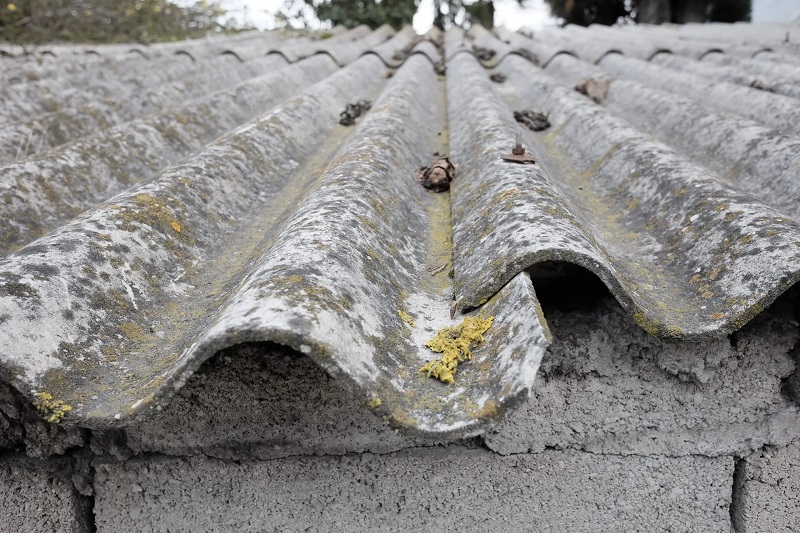
- Buildings: roofing, flooring, insulation materials
Asbestos use peaked during World War II and continued through the Vietnam War era. The military began phasing out asbestos in the late 1970s after its health risks became widely recognized.
Risk Factors for Veterans
Veterans face unique risk factors for asbestos exposure:
- Prolonged exposure: Extended service periods increased the likelihood of encountering asbestos-containing materials
- Confined spaces: Working in poorly ventilated areas, such as ship engine rooms, intensified exposure risks
- Multiple exposure sources: Veterans often encountered asbestos in various settings throughout their service
- Lack of protective equipment: Early awareness of asbestos dangers led to inadequate safety measures
- Secondary exposure: Family members risked exposure through contaminated clothing and gear brought home
Veterans who served in specific military occupations, such as shipyard workers, mechanics, and construction specialists, faced higher exposure risks due to their frequent interaction with asbestos-containing materials.
Respiratory Symptoms of Asbestos Exposure
Asbestos exposure predominantly affects the respiratory system, leading to various symptoms that can significantly impact a veteran’s health. These symptoms often develop gradually and may worsen over time, making early recognition crucial for proper medical intervention.
Shortness of Breath
Shortness of breath, or dyspnea, is a common early sign of asbestos-related lung damage. Veterans may experience:
- Difficulty breathing during physical activities
- Labored breathing even at rest
- Increased breathlessness over time
- Inability to take deep breaths
This symptom occurs due to scarring and inflammation in the lungs, reducing their capacity to expand and contract effectively.
Persistent Dry Cough
A persistent, dry cough is another hallmark symptom of asbestos exposure. Characteristics include:
- Cough lasting more than 8 weeks
- Absence of mucus production
- Worsening of cough over time
- Coughing fits triggered by deep breaths or physical exertion
The dry cough results from irritation and inflammation of the airways caused by asbestos fibers embedded in lung tissue.
Chest Pain and Tightness
Chest pain and tightness are often associated with advanced stages of asbestos-related diseases. Veterans may experience:
- Dull, aching pain in the chest area
- Feeling of pressure or constriction in the chest
- Pain that worsens with deep breathing or coughing
- Discomfort that may radiate to the shoulders or back
These symptoms stem from pleural thickening or the development of pleural plaques, which restrict lung expansion and cause pain during breathing.
Digestive System Symptoms
Asbestos exposure can significantly impact veterans’ digestive systems, leading to various gastrointestinal issues. These symptoms often develop gradually and may be mistaken for other conditions, making early detection crucial for proper treatment.
Abdominal Pain and Swelling
Veterans exposed to asbestos may experience persistent abdominal pain and swelling. This discomfort often stems from the accumulation of fluid in the abdominal cavity, a condition known as ascites. The pain typically manifests as a dull ache or sharp sensation in the stomach area, accompanied by visible bloating. In some cases, the swelling can be severe enough to cause shortness of breath or difficulty moving comfortably.
Weight Loss and Loss of Appetite
Unexplained weight loss and a decreased appetite are common digestive symptoms associated with asbestos exposure in veterans. These symptoms often occur due to the body’s response to the presence of asbestos fibers in the digestive tract. Veterans may notice:
- Rapid weight loss without changes in diet or exercise habits
- Feeling full quickly during meals
- Decreased interest in food
- Nausea or vomiting, particularly after eating
- Fatigue and weakness related to poor nutrient absorption
These digestive symptoms can significantly impact a veteran’s quality of life and may indicate the presence of asbestos-related diseases, such as peritoneal mesothelioma. Early recognition and medical evaluation are essential for proper diagnosis and treatment.
Other Physical Symptoms
Asbestos exposure in veterans can manifest through various physical symptoms beyond respiratory and digestive issues. These additional symptoms, while less common, are crucial indicators of potential asbestos-related health problems.
Clubbed Fingers and Toes
Clubbing of fingers and toes is a distinctive physical sign associated with long-term asbestos exposure. This condition involves enlargement of the fingertips and toenails, causing them to curve downward and appear wider and rounder than normal. Clubbing occurs due to decreased oxygen levels in the blood, often resulting from asbestos-related lung diseases. Veterans experiencing this symptom should seek immediate medical attention, as it may indicate advanced stages of asbestos-related illnesses.
Fatigue and Weakness
Chronic fatigue and weakness are common symptoms experienced by veterans exposed to asbestos. This persistent tiredness often interferes with daily activities and doesn’t improve with rest. The fatigue stems from the body’s continuous effort to combat asbestos fibers and related health issues. Veterans may notice a significant decrease in energy levels, difficulty concentrating, and reduced physical stamina. These symptoms can be early indicators of asbestos-related diseases and warrant medical evaluation, especially when combined with other physical signs of exposure.
Long-Term Health Consequences
Asbestos exposure can lead to severe, life-altering health conditions in veterans. These long-term consequences often manifest years or decades after initial exposure, affecting various organs and systems in the body.
Asbestosis
Asbestosis is a chronic lung disease caused by prolonged asbestos exposure. It’s characterized by scarring of lung tissue, leading to reduced lung function and breathing difficulties. Symptoms include:
- Shortness of breath
- Persistent dry cough
- Chest pain and tightness
- Clubbed fingers and toes
Asbestosis progresses slowly, with symptoms worsening over time. Veterans diagnosed with asbestosis require ongoing medical care and may experience decreased quality of life due to reduced lung capacity.
Mesothelioma
Mesothelioma is an aggressive cancer affecting the lining of the lungs, chest cavity, or abdomen. It’s strongly associated with asbestos exposure. Key features of mesothelioma include:
- Long latency period (20-50 years after exposure)
- Rapid progression once symptoms appear
- Poor prognosis with limited treatment options
Veterans diagnosed with mesothelioma often face a challenging medical journey, with treatments focusing on symptom management and improving quality of life.
Lung Cancer
Asbestos exposure significantly increases the risk of lung cancer, especially in veterans who smoke. Characteristics of asbestos-related lung cancer include:
- Similar symptoms to other types of lung cancer
- Higher occurrence in veterans with prolonged asbestos exposure
- Synergistic effect with smoking, multiplying cancer risk
Early detection through regular screenings is crucial for veterans with a history of asbestos exposure. Treatment options vary based on cancer stage and overall health, potentially including surgery, chemotherapy, and radiation therapy.
Recognizing and Addressing Symptoms
Recognizing asbestos exposure symptoms early is crucial for veterans’ health outcomes. Prompt medical attention and appropriate diagnostic procedures can lead to better management of asbestos-related diseases.
When to Seek Medical Attention
Veterans should seek medical attention immediately if they experience:
- Persistent shortness of breath
- Chronic dry cough lasting over eight weeks
- Chest pain or tightness
- Unexplained weight loss or loss of appetite
- Abdominal pain or swelling
- Clubbed fingers or toes
- Chronic fatigue or weakness
These symptoms, especially when combined with a history of asbestos exposure, warrant urgent medical evaluation. Early intervention can slow disease progression and improve quality of life.
Diagnostic Procedures for Asbestos-Related Diseases
Diagnosing asbestos-related diseases involves several medical procedures:
- Physical examination: Doctors assess overall health and listen for abnormal lung sounds.
- Chest X-rays: Reveal lung abnormalities, pleural plaques, or other asbestos-related changes.
- CT scans: Provide detailed images of lungs and pleura, detecting early-stage abnormalities.
- Pulmonary function tests: Measure lung capacity and function to assess respiratory health.
- Bronchoscopy: Examines airways for abnormalities using a thin, flexible tube with a camera.
- Biopsy: Collects tissue samples for microscopic examination to confirm diagnosis.
Blood tests may also be conducted to check for biomarkers associated with asbestos-related diseases. These diagnostic procedures help healthcare providers accurately identify and stage asbestos-related conditions, enabling tailored treatment plans for affected veterans.
Support and Resources for Affected Veterans
Veterans exposed to asbestos have access to various support systems and resources designed to assist with their health concerns and overall well-being. These resources aim to provide comprehensive care, financial assistance, and emotional support for those affected by asbestos-related illnesses.
VA Benefits and Compensation
The Department of Veterans Affairs (VA) offers benefits and compensation for veterans with asbestos-related diseases. Veterans diagnosed with conditions linked to military asbestos exposure qualify for disability compensation. The VA provides healthcare services, including specialized treatments for asbestos-related illnesses. Eligible veterans receive priority access to VA medical centers and clinics nationwide. The compensation amount varies based on the severity of the condition and its impact on the veteran’s ability to work.
Support Groups and Counseling Services
Support groups provide veterans with opportunities to connect with others facing similar challenges. These groups offer emotional support, practical advice, and a sense of community. Many organizations, such as the Mesothelioma Applied Research Foundation, host support groups specifically for veterans with asbestos-related illnesses. Counseling services help veterans cope with the psychological impact of their diagnosis. Licensed mental health professionals specializing in veterans’ issues offer individual and group therapy sessions. These services address anxiety, depression, and stress management related to asbestos exposure and its health consequences.
Recognizing the symptoms of asbestos exposure is crucial for veterans’ health and well-being. Early detection can lead to better treatment outcomes and improved quality of life. Veterans who served before the 1980s should be particularly vigilant due to their increased risk of exposure.
If experiencing persistent respiratory, digestive, or other physical symptoms, veterans should seek immediate medical attention. Regular health screenings and open communication with healthcare providers are essential. By staying informed and proactive, veterans can take control of their health and access the support and resources available to them.
